
Report and Official Memorandum Writing Skills – 1, 2 & 3 December 2026, 4:00 PM to 8:00 PM

Dates: 1 – 3 December 2026 | Duration: 12 hours | Language: Arabic | Time: 4:00 PM – 8:00 PM, Sunday to Tuesday
About the Program
Program Content
Introduction to Official Writing
- The concept and importance of official writing.
- The difference between formal and informal writing.
- Core principles of writing official letters and reports.
Fundamentals of Report Writing
- Types of reports and their purposes.
- Steps for preparing a report, from gathering information to final drafting.
- Organizing report content: introduction, body and conclusion.
- Using headings and professional formatting.
- Examples of official reports.
- Fundamentals of writing official letters.
- Types of official letters (request, complaint, proposal, reminder, etc.).
Elements of an Official Letter
- Greeting.
- Introduction.
- Content.
- Conclusion.
- Signature.
- Appropriate tone and style in official writing.
- Models and steps for drafting an effective official letter.
Language and Style in Official Writing
- Correct use of Modern Standard Arabic.
- Avoiding linguistic and grammatical errors.
- A professional and objective style.
- The importance of clarity and brevity.
Word Choice and Formatting
- Choosing vocabulary suited to the message.
- Visual formatting of texts.
- Using lists, tables and numbering styles.
- Relying on ready-made models and templates.
Review and Proofreading
- How to review texts and avoid errors.
- The art of linguistic, grammatical and spelling proofreading.
Ethics of Official Correspondence
- Respecting privacy and confidentiality.
- Maintaining professionalism and respect in writing.
- Commitment to ethical principles and conventions in correspondence.
Practical Applications
- Writing reports and letters based on real-life scenarios.
- Evaluating and giving feedback on submitted work.
- Discussing case studies.
Trainer:
Ms. Hind Al-Falasi
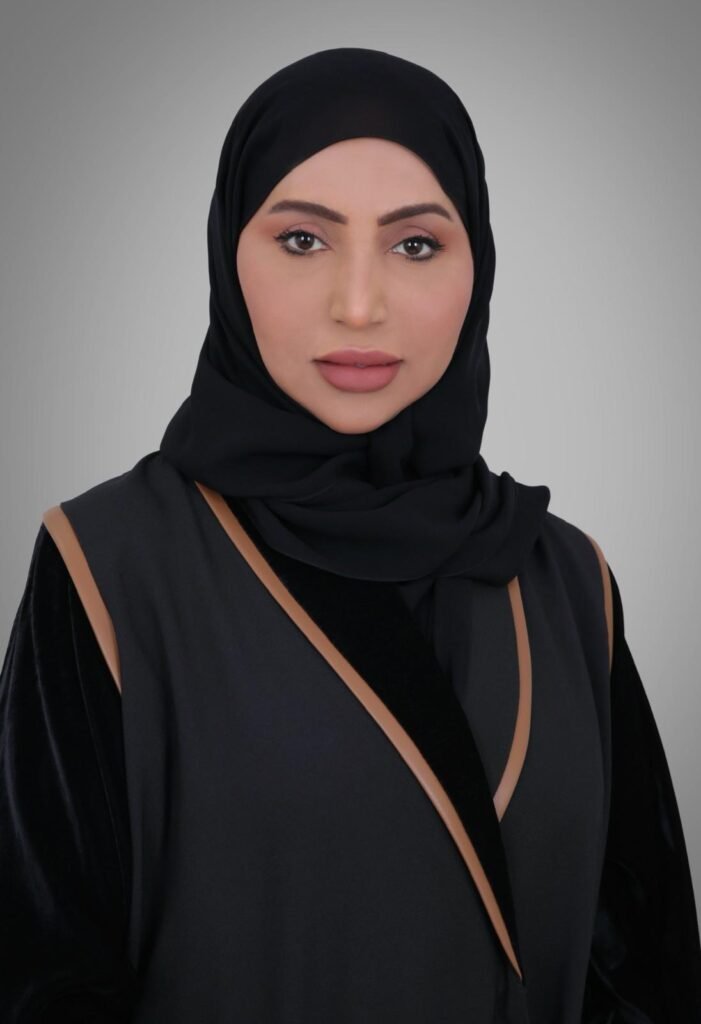
Management consultant holding the Special Grade.
* Expert in performance evaluation policies.
* Director of the Judicial Support Department at the Family Court.
* Family researcher at the Family Reconciliation Department, Supreme Judicial Council.
* Employee of the Supreme Judicial Council.
* Has managed numerous projects.
* Develops foundational administrative programs.
* Designs training questionnaires.
* Accredited trainer at the Civil Service and Government Development Bureau.
* Accredited trainer at the Supreme Judicial Council.
* Member of the Advisory Committee of the Family Advisory Council.
* Vice President of the Qatari Women’s Association for Economic and Investment Awareness.
* Member of the Qatar Cancer Society.
* Businesswoman.